
Oakland Car Accident Lawyer
We are an Oakland car accident law firm that pursues your medical costs, lost income, and vehicle damage as one claim rather than three, because a collision creates a single financial problem and settling the easy part first is how people end up undercompensated for the rest.
One accident should mean one claim that covers all of it.
Our Oakland Office
1423 Broadway, Suite 1009 Oakland, CA 94612 (510) 955-1555
A staffed downtown Oakland office with our own attorneys and support team. East Bay collision claims are handled here.
What a Commute Collision Actually Costs You
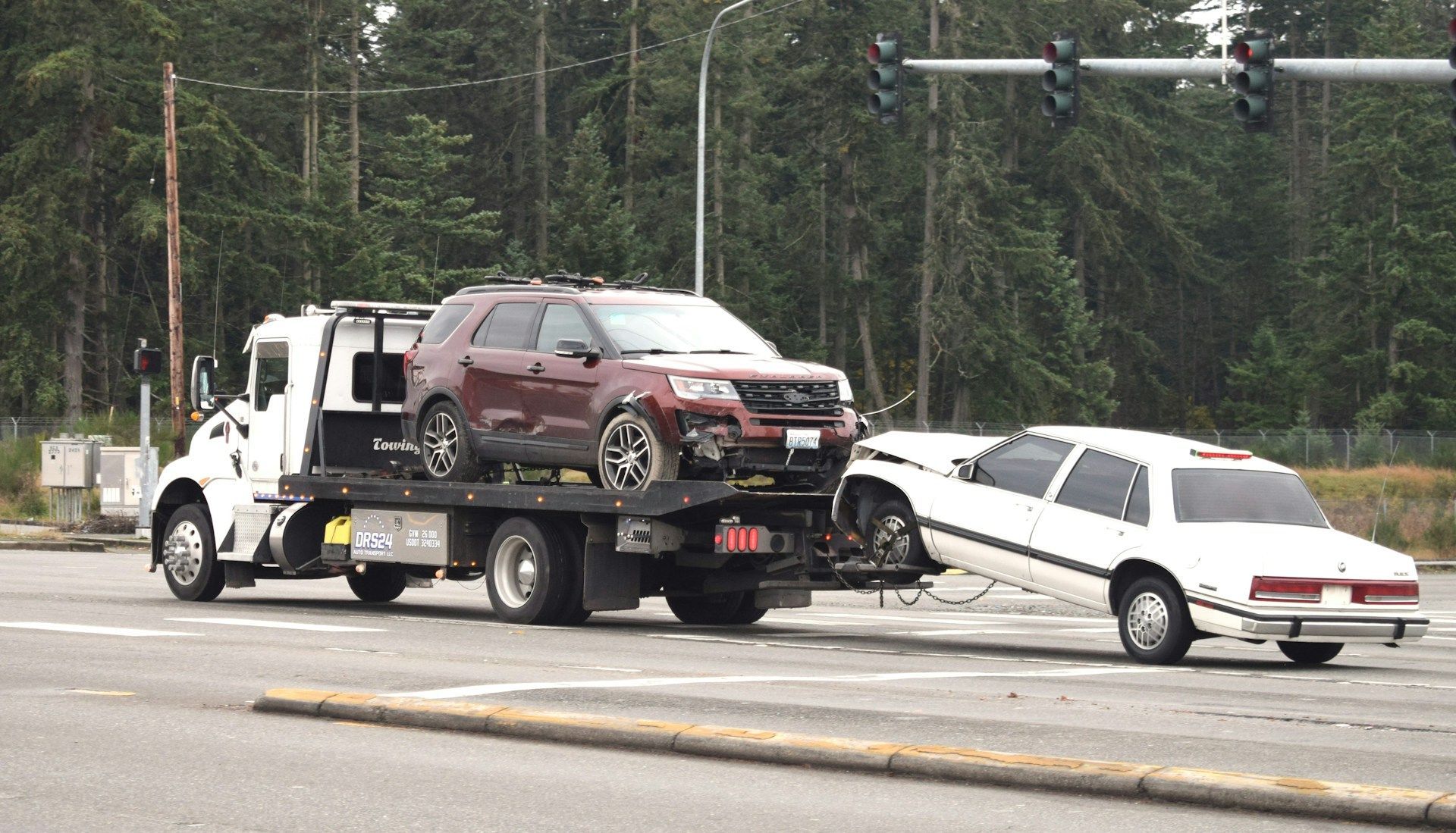
A crash on the way to work does not produce one bill. It produces a repair estimate, a rental car you may be paying for, an emergency room visit, follow-up imaging, physical therapy that runs for months, and paychecks you did not receive while you were doing all of that.
Insurers handle those pieces separately, and that separation works in their favor. The property damage claim usually settles quickly, which feels like progress and creates the impression that the rest will be handled the same way. It will not. We pursue compensation for:
Emergency care, surgery, imaging, and follow-up treatment.
Future medical care and physical therapy still ahead of you.
Lost wages and reduced earning capacity.
Vehicle repair or replacement, and rental costs.
Pain, suffering, and loss of enjoyment of life.
Wrongful death damages, where a family member did not survive.
Our record of car accident recoveries, including a rear-end collision resolved at $250,000 and a disputed left-turn case at $205,000, is listed in full on our results page.
California's Minimum Coverage Is Lower Than You Think
Since January 1, 2025, California requires drivers to carry at least $30,000 in bodily injury coverage per person, $60,000 per accident, and $15,000 for property damage. Those limits are set out in the California Department of Motor Vehicles insurance requirements, and they replaced limits that had not changed since 1967.
They are still low. An ambulance ride, emergency imaging, and a few weeks of physical therapy can approach $30,000 before anyone has discussed lost income or surgery, and $15,000 does not replace a modern vehicle. Many drivers carry exactly the minimum, which means the coverage available is frequently less than the harm caused. That is not the end of the claim, but it does change how the claim has to be built.
If you commute in the East Bay, you already know the two freeways feel nothing alike. There is a legal reason for that, and it matters to your claim.
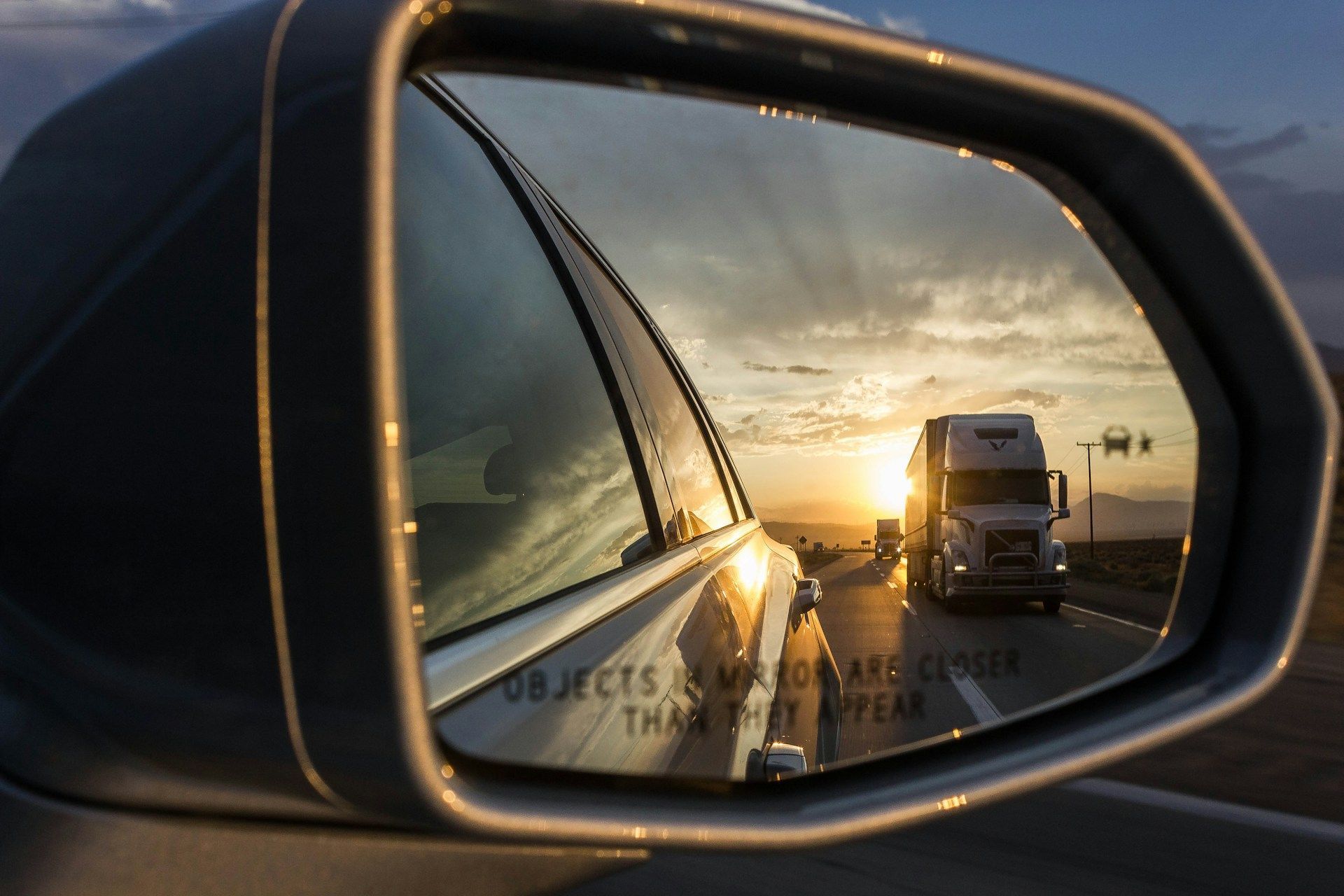
Trucks over 4.5 tons are prohibited from I-580, the MacArthur Freeway, through Oakland. That restriction pushes essentially all of the corridor's heavy freight onto I-880, the Nimitz Freeway, which runs along the bay side toward San Leandro and San Jose. So the two roads carry genuinely different traffic. A collision on I-880 has a materially higher chance of involving a commercial vehicle, which means a commercial policy, a motor carrier, a corporate insurer with counsel already involved, and federal safety regulations that do not apply to an ordinary driver. A collision on I-580 through Oakland is far more likely to be passenger vehicles only.
The rest of the local network converges tightly. The MacArthur Maze, where I-80, I-580, and I-880 split apart at the east end of the Bay Bridge, concentrates enormous merging volume into a small area. The I-980 connects I-880 up to the I-580 and SR-24 interchange downtown. SR-24 carries commuters east through the Caldecott Tunnel toward Walnut Creek, and hazardous-materials trucks are restricted to a two-hour overnight window through the tunnel, between 3:00 and 5:00 a.m. SR-13, the Warren Freeway, runs along the hills.
Why any of this belongs in a conversation with a lawyer: if your collision involved a commercial vehicle, the claim is investigated on a completely different track and on a much shorter evidence clock than a two-car crash. Tell us what road you were on and we can usually tell you immediately which kind of case you have.
Why I-880 Collisions Are Different From I-580 Collisions
When the Other Driver's Coverage Runs Out
A coverage gap on their side does not have to become a financial gap on yours. When the at-fault policy cannot cover your losses, we look at every other available source:
- Your own uninsured and underinsured motorist coverage. California requires insurers to offer it and requires a written rejection to decline it, so many drivers have it without knowing.
- An employer's liability, where the at-fault driver was working at the time of the collision.
- Vehicle owner liability, where someone entrusted the car to a driver they should not have.
- Additional at-fault parties, including other drivers, a government agency responsible for a dangerous road condition, or a manufacturer if a vehicle component failed.
- The at-fault driver's personal assets, in cases where the harm substantially exceeds the policy.
Finding those sources is investigative work, and it is the difference between recovering a policy limit and recovering what you actually lost. Our
Oakland personal injury lawyers handle uninsured and underinsured motorist claims across the East Bay, and our statewide guidance on
car accident claims covers how these cases are valued.
What to Do in the First Week After a Crash
Step 1:
Get examined, even if you feel functional
Soft-tissue injuries and concussions commonly present days later. A gap between the collision and your first treatment is the most common argument insurers use to discount an injury claim.
Step 2:
Report the collision and get the report number
A police report is not required for a claim, but it is much harder to dispute than a recollection.
Step 4:
Notify your own insurer, and stop there
You have a contractual duty to report the collision to your own carrier. You have no obligation to give the other driver's insurer a recorded statement.
Nothing Upfront, and Nothing Unless We Win
We take Oakland car accident cases on contingency. There is no retainer, no hourly billing, and no attorney's fee at all unless we win your case. We advance the case costs, including records, filing fees, and any expert work the claim requires, and recover them out of a settlement or verdict. You will have the fee terms in writing before you commit to anything, and the consultation itself is free either way.
Start Building Your Case Today
Car Accident Questions East Bay Drivers Ask
-
What does it cost to hire an Oakland car accident lawyer?
Nothing upfront. We work on contingency, so our fee comes out of a recovery and you owe no attorney's fee if we do not win. Case costs are advanced by the firm and reimbursed from the settlement or verdict.
-
What if the driver who hit me had no insurance, or not enough?
Your own uninsured or underinsured motorist coverage is usually the first source we look at, and more drivers have it than realize, because California requires insurers to offer it and requires a written rejection to decline. We also look for an employer, a vehicle owner, or another at-fault party who may be liable.
-
Can I still recover if I was partly at fault?
Yes. California follows pure comparative negligence, which reduces your recovery by your percentage of fault but never bars it, with no cutoff threshold. Adjusters frequently overstate a claimant's share of fault, and that assessment is negotiable.
-
The insurer already offered to cover my car repairs. Should I accept?
Property damage can often be resolved separately from an injury claim, but read carefully what you are signing. Some releases are drafted to close the entire claim, not just the vehicle portion. Have it reviewed before you sign, particularly if you are still being treated.
-
How long do I have to file a car accident claim in California?
Generally two years from the date of the collision. Claims involving a public entity, including collisions with city vehicles or AC Transit buses, can require a formal administrative claim within six months, so those need immediate attention.
Get Your Oakland Crash Reviewed at No Cost
Tell us what happened and we will tell you honestly what the claim looks like, including if we think you do not need a lawyer.